
CBAM exposes a growing challenge around emissions visibility and accountability
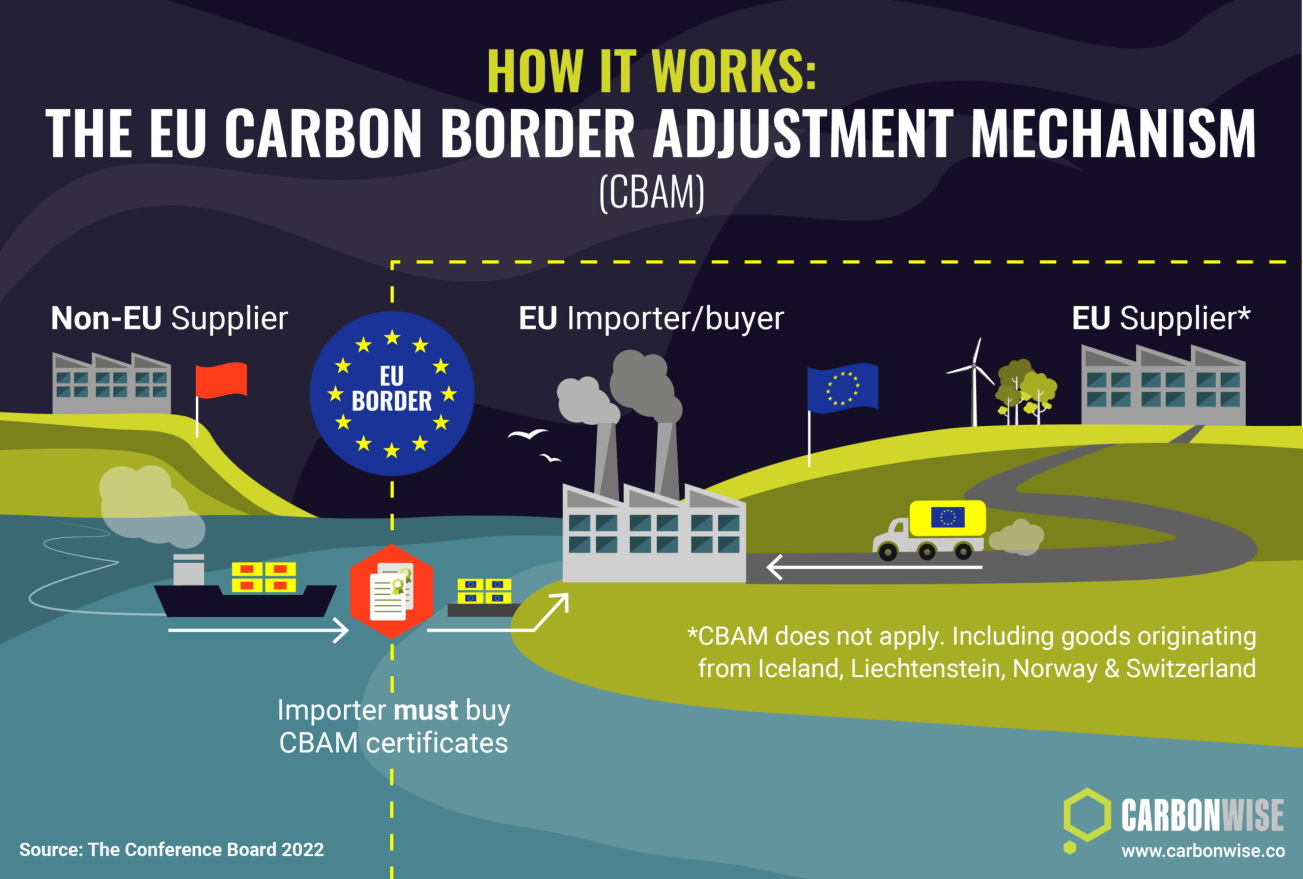
Starting in 2026, CBAM moves beyond transitional reporting into stricter compliance requirements. Organizations importing specific goods into the European Union will increasingly need to demonstrate where emissions originate, how materials are used and how sustainability claims are substantiated.
That shift creates a broader challenge than reporting alone. Many organizations still rely on averages, fragmented datasets and assumptions that are becoming harder to defend in a context where transparency, traceability and accountability are increasingly important.
CBAM therefore does not only increase pressure on sustainability reporting. It exposes how limited visibility many organizations still have into emissions, production locations, material usage and supply chain impact.
Location and material data are becoming essential for defensible reporting
CO₂ emissions are never isolated. They are always connected to specific materials, production methods, energy sources and geographic locations. The same material can have a completely different emissions profile depending on where and how it is produced.
That is why averages alone are often insufficient. Organizations increasingly need location-specific insight to understand where emissions occur, how material choices influence sustainability impact and how performance differs between projects, suppliers or regions.
By linking emissions and material data to locations, organizations can make CO₂ impact geographically visible, compare scenarios, identify optimization opportunities and create stronger substantiation for reporting and decision-making. Instead of disconnected spreadsheets, a visual and analytical framework emerges that provides clearer context behind sustainability data.
Spatial intelligence helps organizations move from estimation to substantiation
As sustainability requirements become stricter, organizations need insight that is not only measurable, but also explainable and defensible towards clients, regulators and stakeholders. This is especially important for contractors, infrastructure projects and executing parties where sustainability increasingly influences tenders, procurement processes and project accountability.
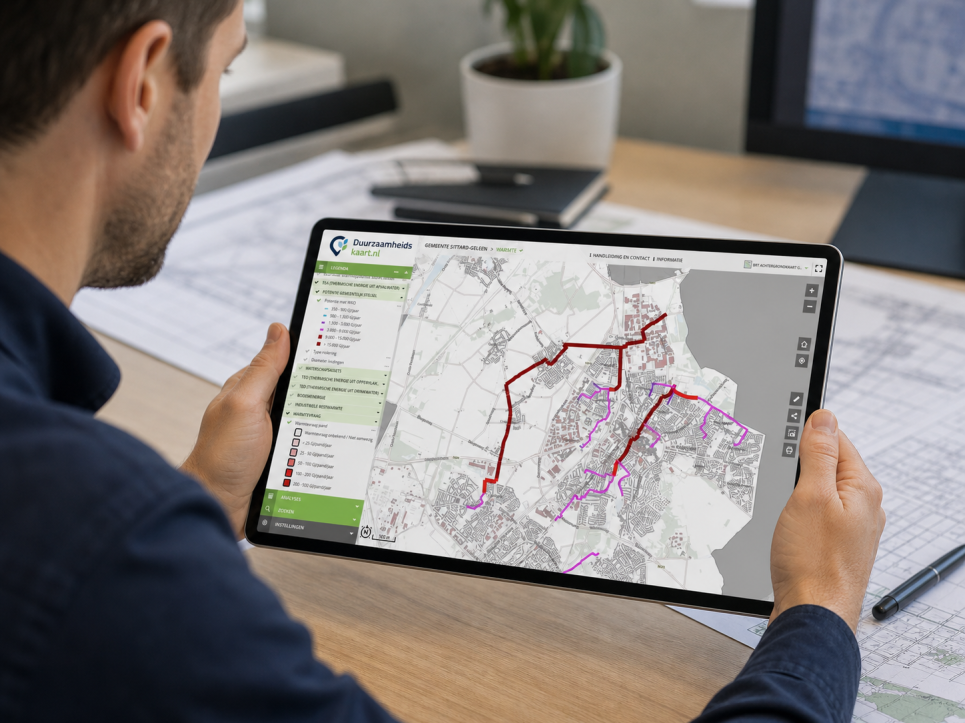
Duurzaamheidskaart helps organizations make emissions, material usage and sustainability impact geographically visible through spatial analyses, dashboards and location-based reporting. By connecting material data, emission factors and project locations, organizations gain clearer insight into where sustainability impact occurs and how decisions influence outcomes.
This helps organizations move beyond assumptions and fragmented reporting towards stronger transparency, better decision-making and more defensible sustainability insight.
👉 Discover how Duurzaamheidskaart supports spatial CO₂ analyses and reporting.